Simple Daily Rituals to Nurture Hope and Reduce Treatment Anxiety
Treatment anxiety can feel overwhelming, leaving you restless and uncertain each day. Simple daily rituals designed to reduce treatment anxiety offer a practical way to regain calm and control. In this post, you’ll find clear, step-by-step practices that nurture hope and support your wellbeing alongside medical care. Take your next step with support you can trust by exploring these routines and our 12 Step Integrative Cancer Support Program.
Simple Daily Rituals to Build Hope
Feeling grounded and hopeful each day starts with simple, purposeful actions. These daily rituals aim to bring comfort and a sense of control to your routine, easing stress and boosting your wellbeing.
Morning Mindfulness Practices
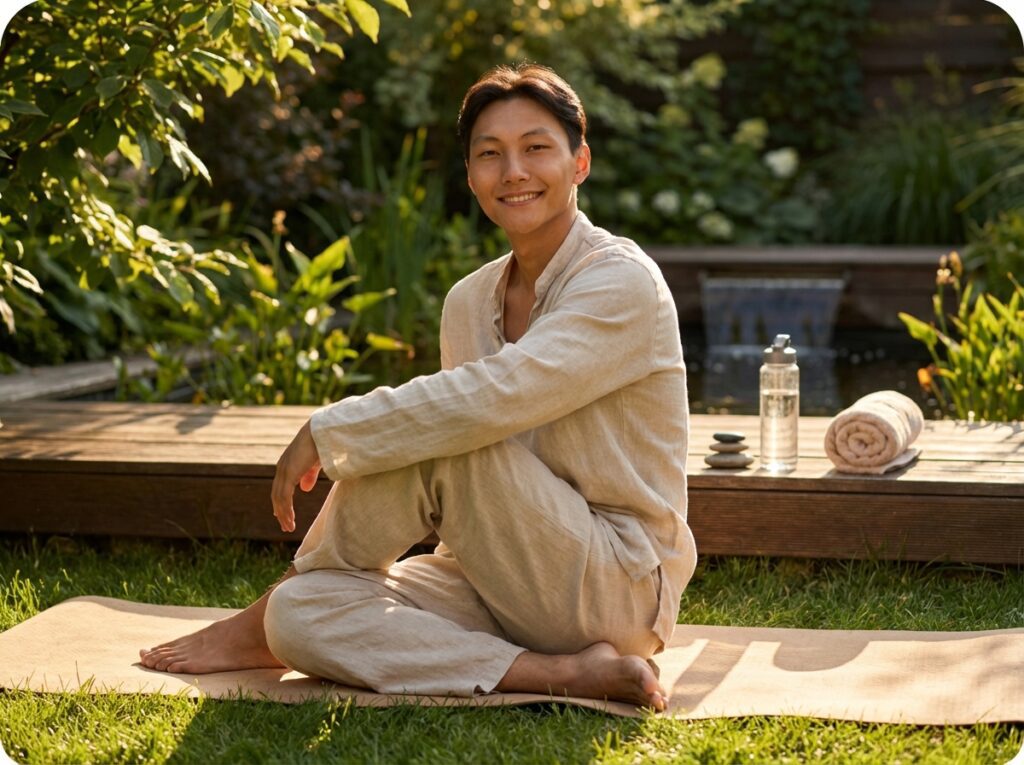
Starting the day with mindfulness sets a calm tone. You can begin with a few minutes of quiet reflection. Sit in a comfortable spot and focus on your breath. Notice the rise and fall of your chest. This practice helps clear your mind of worries that might have accumulated overnight.
You might also try a gratitude journal. Write down three things you are thankful for each morning. This small act can shift your focus from anxiety to positivity. Many find that starting the day on a grateful note leads to better moods and less stress throughout the day.
Midday Breathing Exercises
Around midday, stress can start to build. Breathing exercises can provide a quick reset. Try a simple exercise: inhale deeply through your nose for a count of four, hold for four, then exhale through your mouth for four. Repeat this cycle a few times. It helps calm your nervous system and refocus your mind.
These exercises can be done anywhere. Whether you’re at home, in a waiting room, or even outdoors, taking a few moments to breathe deeply can ease tension. Breathing exercises offer a quick way to refresh your mind and reduce anxiety, keeping you grounded for the rest of the day.
Evening Guided Relaxation
As the day winds down, guided relaxation can help you unwind. Listening to a calming audio guide can ease the transition from the day’s activities to a restful night. Find a quiet space, close your eyes, and follow the guide’s soothing voice as it walks you through relaxation techniques.
This ritual not only helps with sleep but also reduces overall stress levels. By regularly practicing guided relaxation, many find they sleep better and feel more rested, which is crucial for both mental and physical health. Evening relaxation sets the stage for a peaceful night and a fresh start the next morning.
Coping Strategies for Treatment Anxiety

Managing treatment anxiety involves building resilience and finding techniques that work for you. Here, we explore different strategies that can support your emotional health during treatment.
Mindset Training Techniques
Training your mindset can significantly impact how you handle anxiety. Start by challenging negative thoughts. When a worry arises, ask yourself if it’s based on facts or assumptions. Reframing thoughts can turn a negative mindset into a more positive one.
Visualization is another helpful tool. Picture yourself in a place where you feel safe and stress-free. This mental escape can provide comfort and reduce anxiety. Practiced regularly, mindset training enhances your ability to cope with stress and maintain a positive outlook.
Conversational Hypnosis Benefits
Conversational hypnosis offers a gentle way to reduce anxiety. This technique involves calming conversations that guide you into a relaxed state. It’s a method used to shift focus away from stress and into a state of calm.
By practicing conversational hypnosis, many find their anxiety lessens, and they experience a greater sense of control. It’s a technique that can be practiced with a professional or through resources designed to guide you through the process. This approach promotes emotional resilience and tranquility.
Sleep Support Tips
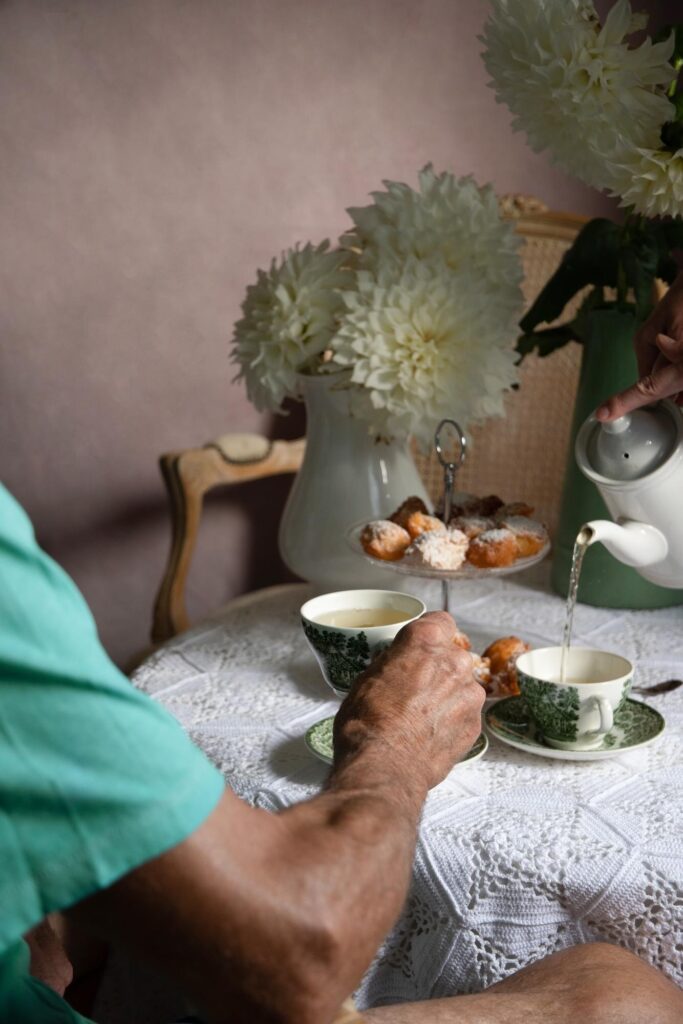
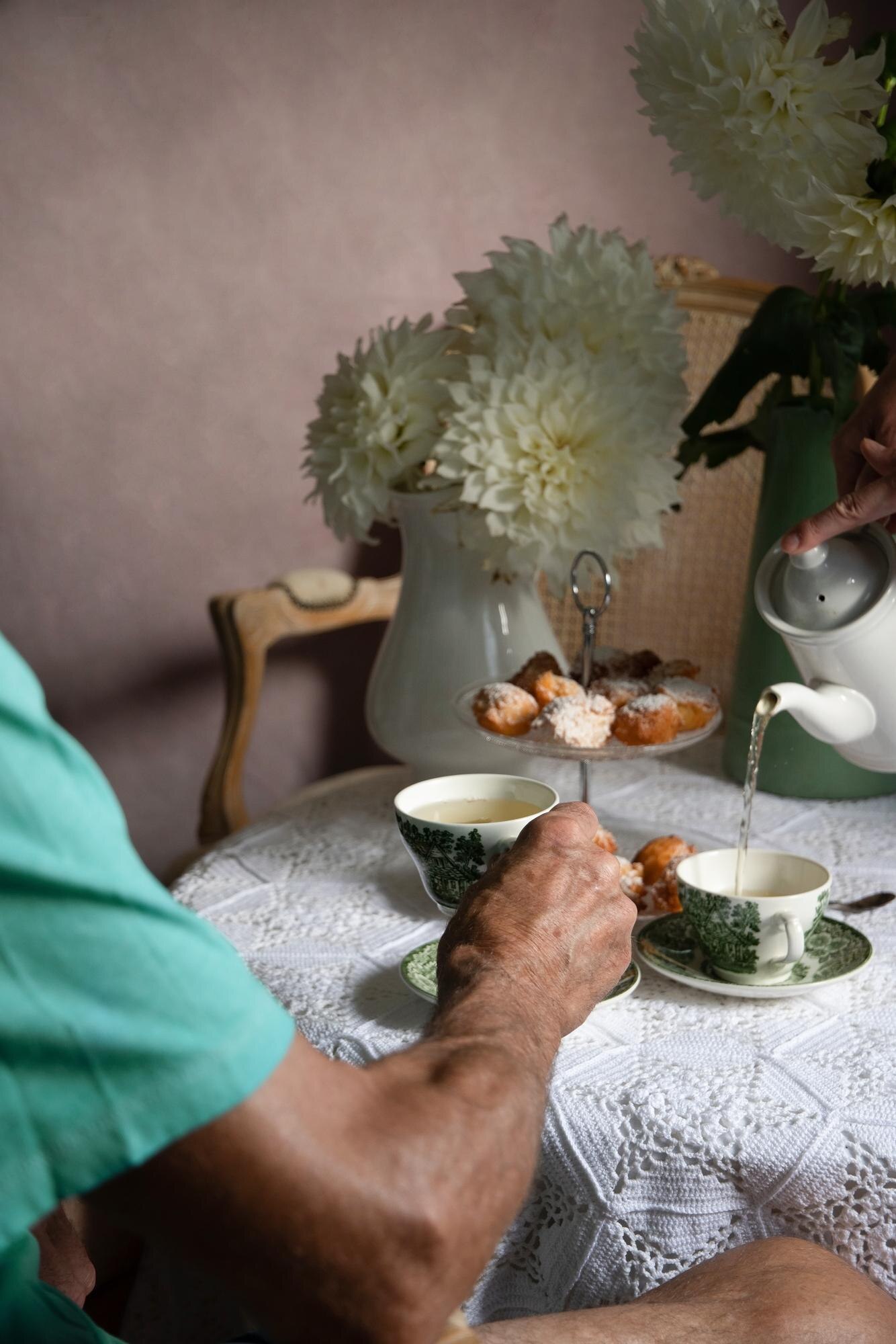
Quality sleep is vital, especially during treatment. Establish a bedtime routine to signal your body that it’s time to wind down. This might include reading, gentle stretching, or sipping a warm herbal tea. These activities help relax your body and mind.
Avoid screens before bed, as they can disrupt natural sleep patterns. Create a calming environment in your bedroom to encourage restful sleep. With improved sleep, your body and mind can better handle daily stresses, contributing to overall wellbeing.
Structured Cancer Wellness Routines

Structured routines provide a foundation of support during treatment. These wellness practices focus on nutrition, movement, and resilience to enhance your health journey.
Nutrition Basics During Treatment
Nutrition plays a key role in supporting your body through treatment. Focus on foods rich in nutrients, like colorful fruits and vegetables, lean proteins, and whole grains. These foods provide energy and essential nutrients needed for recovery.
Stay hydrated by drinking plenty of water throughout the day. Hydration supports bodily functions and can alleviate some treatment side effects. By nourishing your body with healthy foods, you provide the necessary fuel for recovery and resilience.
Movement and Recovery Practices
Gentle movement can aid recovery and boost mood. Activities like walking, stretching, or yoga are excellent for maintaining flexibility and strength. Listen to your body and adjust your routine as needed.
Movement releases endorphins, which can improve mood and reduce pain. Engaging in regular physical activity, even moderate, contributes to better physical and mental health during treatment.
Resilience Through Evidence Informed Support
Building resilience is about finding strength in the support around you. Evidence-informed practices like mindfulness, nutrition, and movement create a holistic approach to wellness. These practices are not just about physical health but also about fostering a supportive mindset.
Support systems, whether through groups, family, or professionals, provide encouragement and guidance. By integrating these strategies, you can build a resilient framework that supports you through your treatment journey, helping you feel more in control and empowered.