

Chemotherapy can drain your energy and make simple meals feel overwhelming. When every bite counts, knowing the right nutrition for chemotherapy becomes your secret strength. Let’s walk through practical cancer nutrition tips that support your energy during chemotherapy and nurture your wellbeing every day.
Boosting Energy During Treatment

Finding the right fuel for your body can make all the difference. Eating well isn’t just about what’s on your plate—it’s about boosting your energy and feeling your best each day.
Balanced Diet Essentials
A balanced diet is your ally. Think of it as a rainbow on your plate. Colorful fruits and vegetables, lean proteins, and whole grains form the base of a strong diet. You might be surprised how a simple mix can help. Try adding sweet potatoes or spinach to meals. One in five people find that adding more color boosts their energy significantly. For more ideas, check out this resource on foods to add and avoid during cancer treatment.
Hydration for Vitality
Keeping hydrated is just as important as eating the right foods. Water helps every part of your body work better. Aim to drink at least eight cups a day. If plain water feels dull, add a splash of lemon or a slice of cucumber. Hydration can lift your mood and energy levels. Seventy percent of people feel more energetic when they’re well-hydrated. Learn more about how to stay hydrated here.
Snack Ideas for Energy
Snacks can be a quick way to maintain your energy. Think nuts, yogurt, or a piece of fruit. These can give you the boost you need between meals. Make a small trail mix with almonds, dried berries, and a few dark chocolate chips. Three out of four people find that having a snack every few hours helps keep their energy steady. Explore more snack ideas and tips on eating to increase energy.
Holistic Cancer Support Tips

Beyond nutrition, holistic support plays a crucial role. Let’s explore how connecting your mind and body can enhance your journey.
Mind-Body Connection
Your mind is a powerful tool. Practicing mindfulness or meditation can reduce stress and improve focus. Just five minutes a day can make a difference. Visualization exercises can also be helpful; imagine your body healing and getting stronger. Most people think only physical treatments matter, but your mental state can significantly impact your recovery.
Emotional Wellbeing Practices
Feeling a range of emotions is normal during treatment. Journaling or talking to a friend can help process these feelings. Consider joining a support group where you can share experiences. Half of those who engage in regular emotional check-ins report feeling more in control. You don’t have to face this alone; reach out and build a support network.
Practical Cancer Nutrition Tips
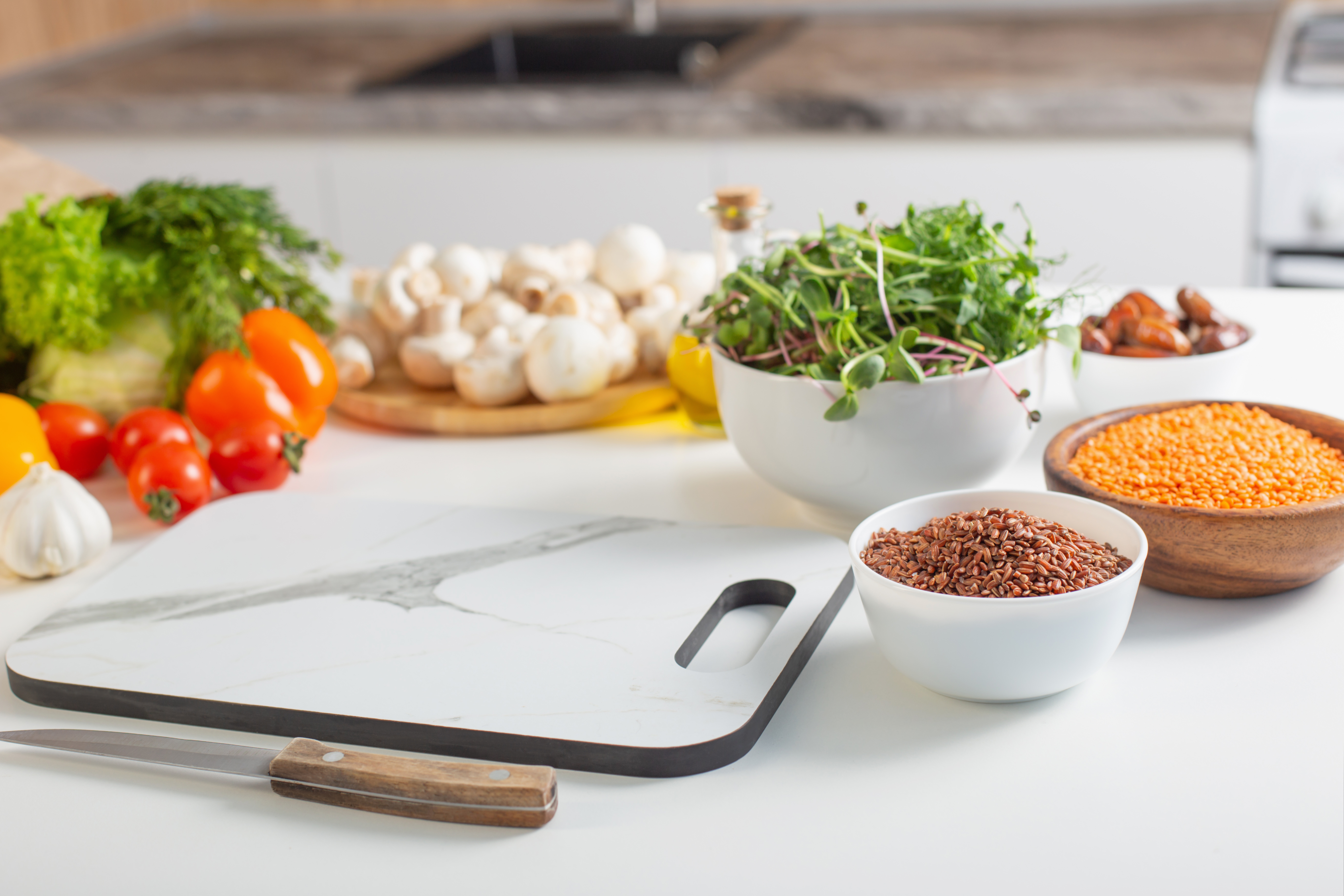
Now, let’s dive into actionable tips to keep your nutrition on track and support your health needs.
Meal Planning Strategies
Planning meals ahead can save energy and time. Start by choosing one day a week to prepare meals. Batch cooking soups or stews can provide ready meals for those low-energy days. Create a grocery list before heading to the store to avoid unnecessary trips. Here’s the key insight: planning reduces stress and ensures you have nutritious meals ready.
Supplementation Guidance
Sometimes, food alone might not provide all the nutrients you need. Speak with your doctor about supplements such as vitamin D or omega-3s. These can fill gaps in your diet and support your immune system. Remember, supplements are not a replacement but a way to enhance your nutrition. Learn more about eating well during treatment here.
By focusing on these areas, you empower yourself to face chemotherapy with strength and resilience. Keep nourishing your body and mind—each small step contributes to a bigger picture