
Managing Fatigue and Improving Quality of Life During Cancer Recovery: A Step by Step Integrative Guide
Fatigue after cancer treatment is more than just feeling tired—it can wear down your daily life and sense of control. Managing fatigue during cancer recovery requires a practical, step-by-step approach that addresses nutrition, sleep, stress, and mindset alongside your medical care. This guide offers evidence informed strategies to help you improve energy after cancer treatment and regain quality of life after cancer treatment. Take your next step: explore how the 12 Step Integrative Cancer Support Program can support you with clear, structured guidance.
Understanding Cancer Related Fatigue

Cancer-related fatigue can be overwhelming, affecting your daily routine and quality of life. Understanding its causes can help you manage it better.
Causes of Fatigue During Recovery
Cancer treatments like chemotherapy can lead to significant fatigue. These treatments impact your body in various ways. First, they may reduce your red blood cells, causing anemia, which decreases oxygen flow to your tissues. Second, treatments can disrupt your sleep cycle, making regular rest difficult. Lastly, the emotional toll of dealing with cancer can drain your energy. Acknowledging these factors helps you tackle them head-on, creating a more manageable recovery process.
Effects on Quality of Life
Fatigue can make simple tasks feel like monumental challenges. When you’re tired, engaging in activities you once enjoyed can seem daunting. This exhaustion can lead to frustration and even depression. Most people think being tired is just part of life, but in cancer recovery, it can be more severe. Addressing this fatigue is crucial because it significantly impacts your overall well-being. By focusing on strategies to combat fatigue, you can improve your daily life and regain control.
Practical Strategies for Energy and Wellbeing

Regaining energy involves more than just rest. Let’s explore how nutrition, sleep, and gentle movement can enhance your vitality during recovery.
Nutrition for Cancer Recovery
Eating the right foods can boost your energy levels. Focus on a balanced diet rich in whole grains, lean proteins, and colorful fruits and vegetables. These foods provide essential nutrients that your body needs to repair and energize. Hydration is equally important. Drinking enough water helps your body function properly and can reduce fatigue. Consider working with a nutritionist to create a meal plan tailored to your needs. Remember, every small dietary change can contribute to a noticeable energy boost.
Sleep Optimization for Cancer Recovery
Getting quality sleep is vital for recovery. Establish a regular sleep schedule, going to bed and waking up at the same time each day. This routine helps regulate your body’s internal clock. Create a restful sleep environment by keeping your room cool and dark. Avoid screens before bedtime to reduce blue light exposure, which can interfere with sleep. Practicing relaxation techniques before bed, like deep breathing or gentle stretching, can also help calm your mind and promote restful sleep.
Gentle Movement During Treatment
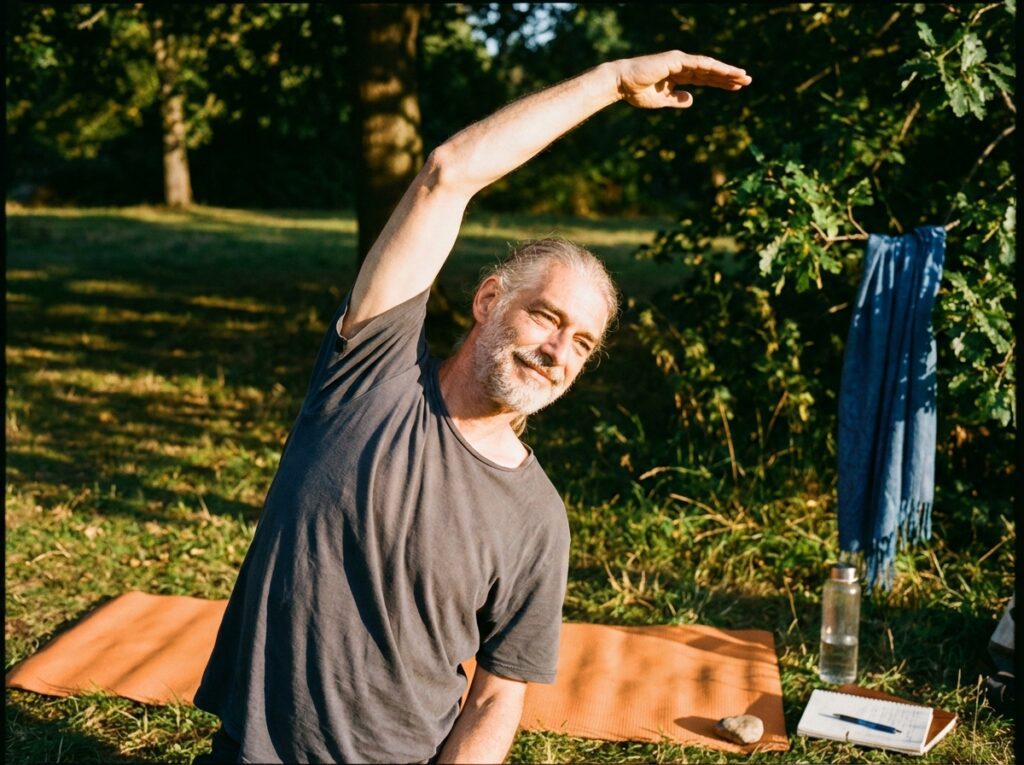
Exercise might be the last thing on your mind, but gentle movement can be incredibly beneficial. Activities like walking or yoga can boost your mood and energy levels without overexerting you. Start with short, manageable sessions, and listen to your body. If you’re unsure where to begin, consider consulting a physical therapist who can create a personalized plan. Moving your body not only helps with fatigue but also improves your overall sense of well-being.
Mindset and Stress Management

Cultivating a positive mindset and managing stress are key to reducing fatigue and enhancing your quality of life.
Mindset Training for Cancer Patients
Training your mind is as important as physical recovery. Focus on setting realistic goals. Celebrate small victories to boost your confidence and morale. Mindset training involves recognizing negative thoughts and replacing them with positive affirmations. Engage in activities that bring joy and relaxation. Journaling your thoughts and feelings can also be therapeutic. Adopting a proactive mindset helps you tackle challenges with resilience, improving your emotional strength during recovery.
Conversational Hypnosis for Stress
Conversational hypnosis can be a powerful tool for stress reduction. This technique involves guided relaxation and focused attention to help you manage anxiety and stress. It can be practiced with a professional or through self-guided sessions. The process involves visualizing calming scenarios and repeating positive affirmations. As stress diminishes, you’ll find your energy levels rise. Incorporating conversational hypnosis into your routine can create a sense of calm and control.
Relaxation Techniques for Cancer Recovery
Relaxation techniques are crucial for managing stress and fatigue. Techniques like deep breathing, meditation, and progressive muscle relaxation can help. Dedicate a few minutes each day to practice these methods. They help relax your mind and body, reducing stress hormones and promoting a sense of peace. Regular practice can enhance your emotional resilience, making daily challenges feel less overwhelming. These techniques are simple yet effective tools to support your recovery journey.
By understanding and addressing cancer-related fatigue through these practical strategies, you can improve your energy and quality of life during recovery. Embrace these evidence-informed approaches, and remember that each step brings you closer to regaining control and vitality.