

Holistic Strategies to Support Emotional Wellbeing During Cancer Treatment
Facing cancer treatment often brings a flood of emotions that can feel overwhelming. Supporting your emotional wellbeing during cancer means managing anxiety and stress in ways that truly work alongside your medical care. In this post, you’ll find clear, practical strategies designed to build resilience and reduce overwhelm, guiding you step by step toward a more balanced mindset. Take the next step with our 12 Step Integrative Cancer Support Program to create your personalized emotional support plan.
Building Emotional Resilience
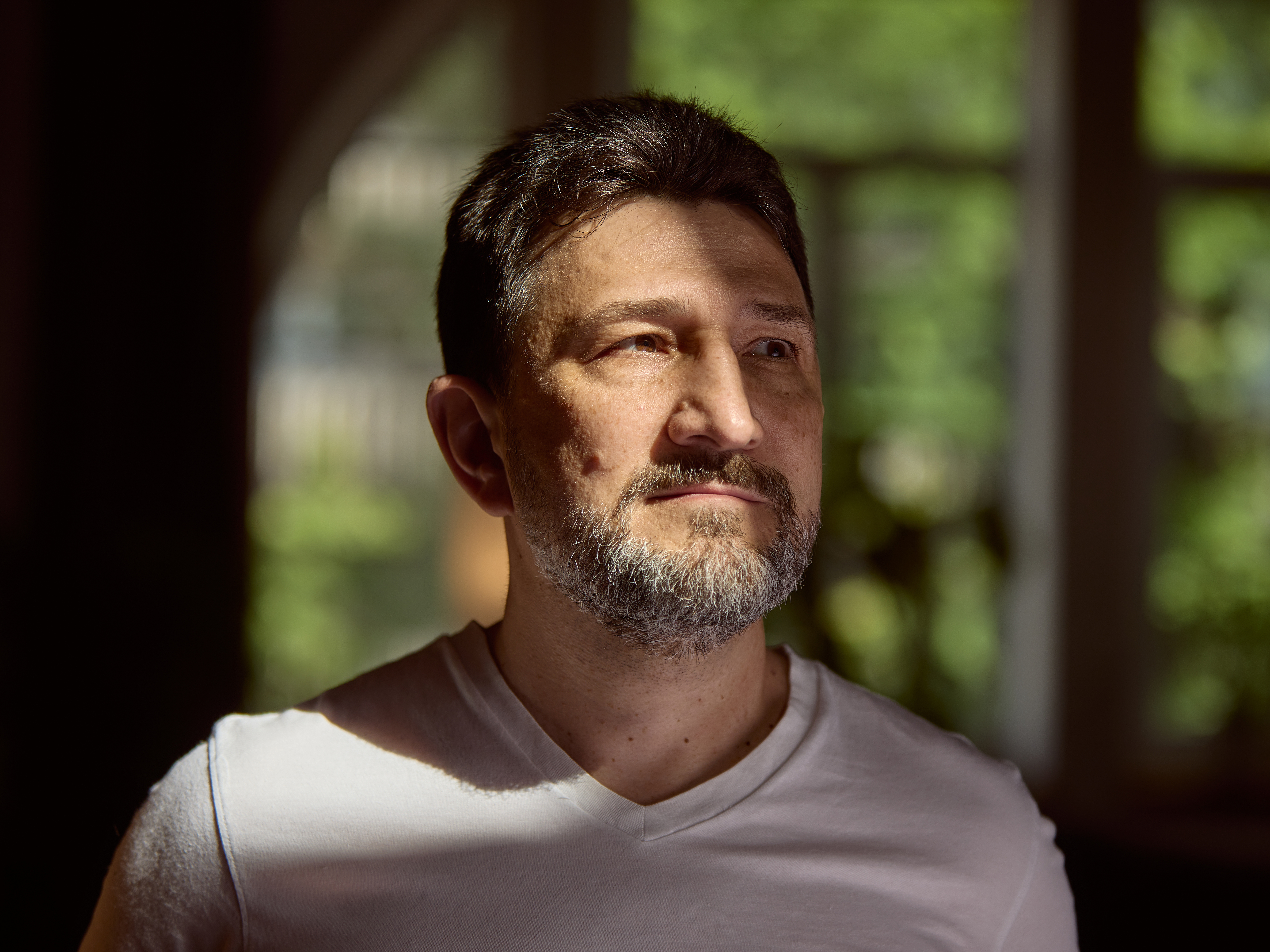
Finding balance in the face of cancer is vital. Developing resilience can empower you to handle the emotional waves that accompany treatment.
Mindfulness for Cancer Patients
Mindfulness is your ally in this journey. It helps anchor your mind amidst the storm of thoughts. Practicing mindfulness can be as simple as focusing on your breath for a few minutes each day. This practice shifts your attention from worry to the present moment, providing relief from anxiety. Start small: dedicate five minutes each morning to mindful breathing.
Many find that listening to guided mindfulness sessions can deepen the effect. These sessions often include soothing narratives that lead you through relaxation exercises. Over time, this practice can reduce tension and improve how you respond to stressors. Remember: mindfulness is a skill that grows stronger with practice, not a quick fix.
Stress Management During Chemotherapy
Chemotherapy can be physically and emotionally taxing. Managing stress during treatment is crucial for maintaining your overall wellbeing. Stress can amplify the discomfort of side effects, making it harder to cope. One effective strategy is to set a daily routine that incorporates small acts of self-care.
Consider activities that bring you joy, like reading or gentle stretching. These can serve as mini-escapes, breaking the cycle of stress. Engaging in light physical activity releases endorphins, which naturally boost your mood. Control what you can: keep a journal to track your feelings and celebrate small victories. This habit fosters a sense of accomplishment and control.
Practical Relaxation Techniques

Finding relaxation techniques that work for you can significantly improve your emotional state. These methods are practical tools to carry with you.
Guided Imagery for Anxiety Relief
Guided imagery is a powerful tool for easing anxiety. It involves visualizing calming scenes or experiences, helping your mind move away from stress. Imagine yourself on a serene beach or in a peaceful forest. This mental escape can lower anxiety levels, leaving you feeling refreshed.
To begin, find a quiet spot and close your eyes. Use audio guides if needed, as they provide structured pathways to relaxation. Over time, you’ll find it easier to access this peaceful state. Consistency is key: aim for a few minutes each day.
Conversational Hypnosis for Stress
Conversational hypnosis is a subtle technique to manage stress. It involves using positive language patterns that influence your subconscious mind. This can help shift your mindset from fear to calmness. Begin by repeating affirmations that highlight your strength and resilience.
These affirmations act as gentle reminders of your inner capabilities. For example, saying “I am calm and in control” can redirect your thoughts. Incorporate this practice into your day, such as during your morning routine. With time, these phrases become a natural part of your thought process, offering comfort and stability.
Structured Support Systems

A strong support system is essential in navigating cancer treatment. It provides structure and community, helping you feel less alone.
Integrative Cancer Support Strategies
Integrative strategies combine physical and emotional care. They involve creating a comprehensive plan that aligns with your medical treatment. This approach considers factors like nutrition, sleep, and stress management. By addressing these areas, you can boost your body’s natural defenses.
Begin by consulting resources that offer evidence-based strategies. These guides can help tailor a plan specific to your needs. Remember: it’s about creating synergy between different aspects of your care, not replacing any medical advice. Over time, these strategies can enhance your treatment experience and foster resilience.
Caregiver Support for Cancer Patients
Caregivers play a crucial role in this journey. Their support can significantly impact your emotional wellbeing. Encouraging open communication with your caregiver fosters a supportive environment. Sharing your feelings and concerns helps them understand your needs better.
Caregivers can also benefit from support networks. These groups provide a space to share experiences and gain new insights. Encourage your caregiver to seek out these resources, as supporting someone with cancer can be challenging. Together, you can create a partnership that strengthens both of your emotional foundations.
By integrating these strategies, you build a framework for emotional resilience. As you navigate this journey, remember: you are not alone. Structured support and practical techniques can empower you to thrive alongside your medical care.