
Finding Calm: Stress Management Techniques for Your Cancer Journey
Stress management for cancer can feel like an uphill battle when anxiety and uncertainty take hold. You’re not alone in wanting practical ways to find calm amid the storm. This post offers gentle, proven techniques—from breathing exercises during chemotherapy to mindfulness for cancer patients—that can help you build daily habits for more peaceful, resilient days. Keep reading to learn how to bring ease into your life and explore support tailored just for you. For more information, visit this helpful resource.
Practical Stress Management for Cancer

Finding peace during a cancer journey is crucial for well-being. Let’s dive into techniques that can serve as lifelines in managing stress.
Breathing Exercises for Chemotherapy
Breathing can become your secret ally during chemotherapy. It’s simple: focus on your breath, and you’ll notice a shift. Start with deep breaths, inhaling for four counts, holding for four, and then exhaling for four. This rhythm can help ease anxiety and calm your mind.
Imagine you’re on a peaceful beach, with each breath drawing in fresh, calming air. Practice this for a few minutes before treatment, and you may find a sense of calm washing over you. If you’re feeling overwhelmed, remember: your breath is always with you. It can be a comforting anchor.
Some people find it helpful to use guided breathing apps. These give you structure and support. Explore more breathing tips to ease your journey.
Guided Imagery for Cancer Relief
Guided imagery can transport you to a place of peace. This technique uses your imagination to create calming scenarios. Picture a serene forest or a gentle stream, letting this mental picture relax your body.
Start by closing your eyes. Listen to a guided audio or script that takes you to your happy place. This practice can reduce pain and stress. Many find that just 10 minutes can make a difference.
Consider making this a daily routine. As you practice, it’ll become easier to slip into relaxation. Your mind is powerful; it can create a sanctuary wherever you are.
Mindfulness and Movement Techniques

Mindfulness and movement go hand in hand, offering a path to inner peace and physical balance.
Mindfulness for Cancer Patients
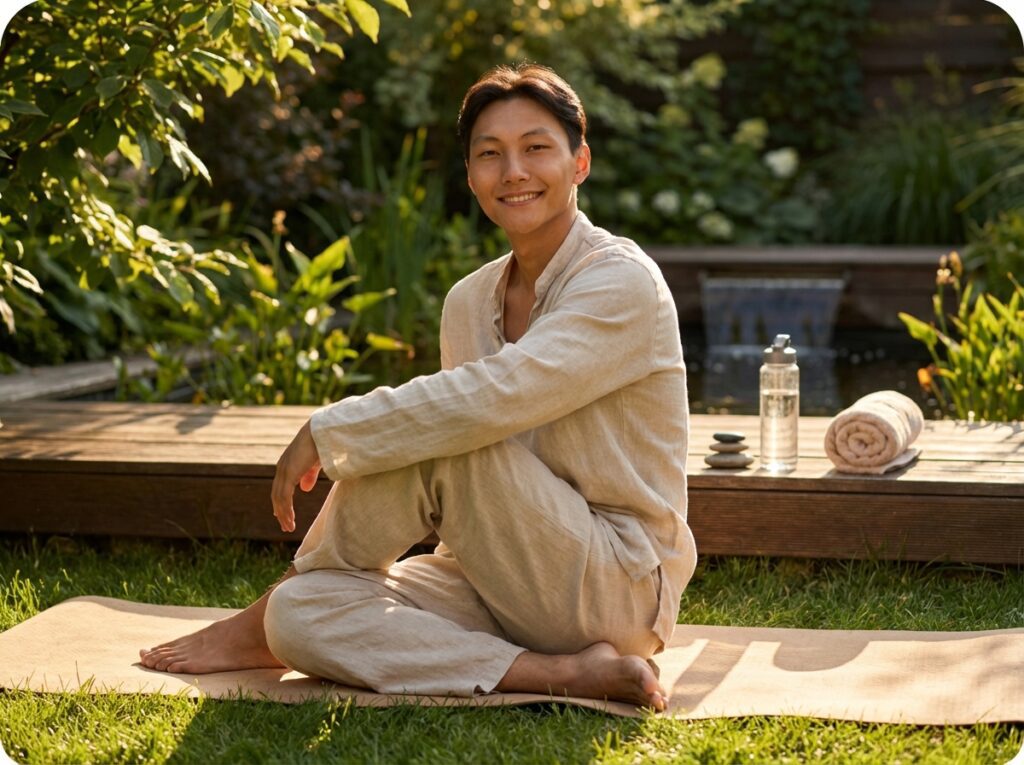
Mindfulness keeps you grounded in the present. Begin with simple exercises: focus on one thing at a time. Whether it’s the taste of your food or the feel of a soft blanket, immerse yourself fully.
Set aside a few minutes daily for mindfulness. Try a simple breathing meditation. Notice your inhales and exhales. This focus can quiet a racing mind. As you practice, you’ll find stress slipping away, opening space for calm.
The journey of mindfulness is one of small steps. Each moment spent practicing is a step toward quieting the storm within. Learn more about mindfulness here.
Gentle Movement for Stress Relief
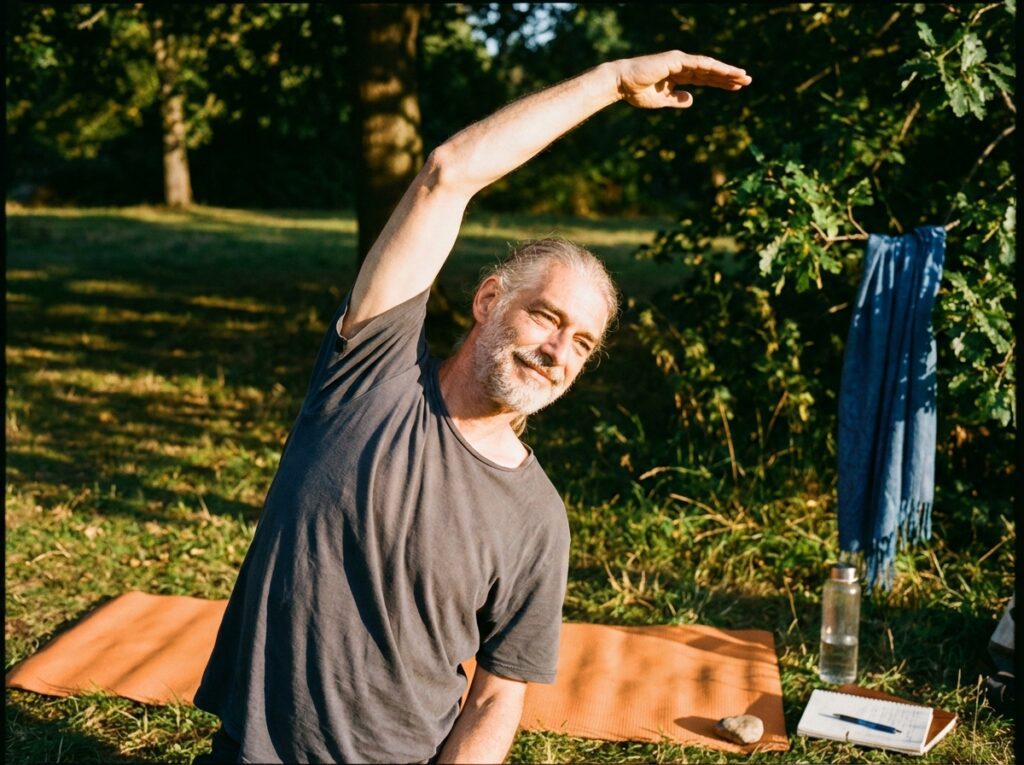
Gentle movement is a gift to your body. It doesn’t have to be strenuous. Start with simple stretches or a short walk. These activities can lift your mood and ease tension.
Yoga is another gentle option. It combines movement with mindfulness. Try a few poses each morning. As little as 10 minutes can brighten your day. Movement helps release stress, giving your body a soothing release. The key is consistency. Find what works for you and make it a habit.
Building Resilience and Support

Building resilience is like planting seeds of strength. It’s about finding support and nurturing your spirit.
Journaling for Healing and Reflection
Journaling opens a door to reflection and healing. Each page is a safe space to explore your thoughts and feelings. Write about your day or whatever comes to mind. There’s no right or wrong.
Set aside a few minutes each day. Over time, you’ll notice patterns and insights. This practice can reveal hidden strengths and help you process emotions.
Think of your journal as a friend who listens without judgment. It’s a place to be vulnerable and honest, offering clarity and release.
Caregiver Stress Tips and Communication Strategies
Caregivers, your role is vital. Supporting a loved one with cancer is both rewarding and challenging. It’s important to take care of yourself too.
Start by setting boundaries. Ensure you have time to recharge. Open communication is key. Share your feelings with friends or support groups. You don’t have to carry the burden alone.
Practice self-compassion. You’re doing your best, and that’s enough. Supporting someone with cancer is a journey. Together, you can find ways to ease the stress and build a supportive environment.
Explore more tips on managing stress during cancer.
Remember, each small step you take in managing stress contributes to your well-being. You have the power to create moments of calm, resilience, and hope along this journey.